

Importance of sustainability in your printed supplies
January 8, 2025
How to Personalise Your Brand Through Packaging
May 23, 2025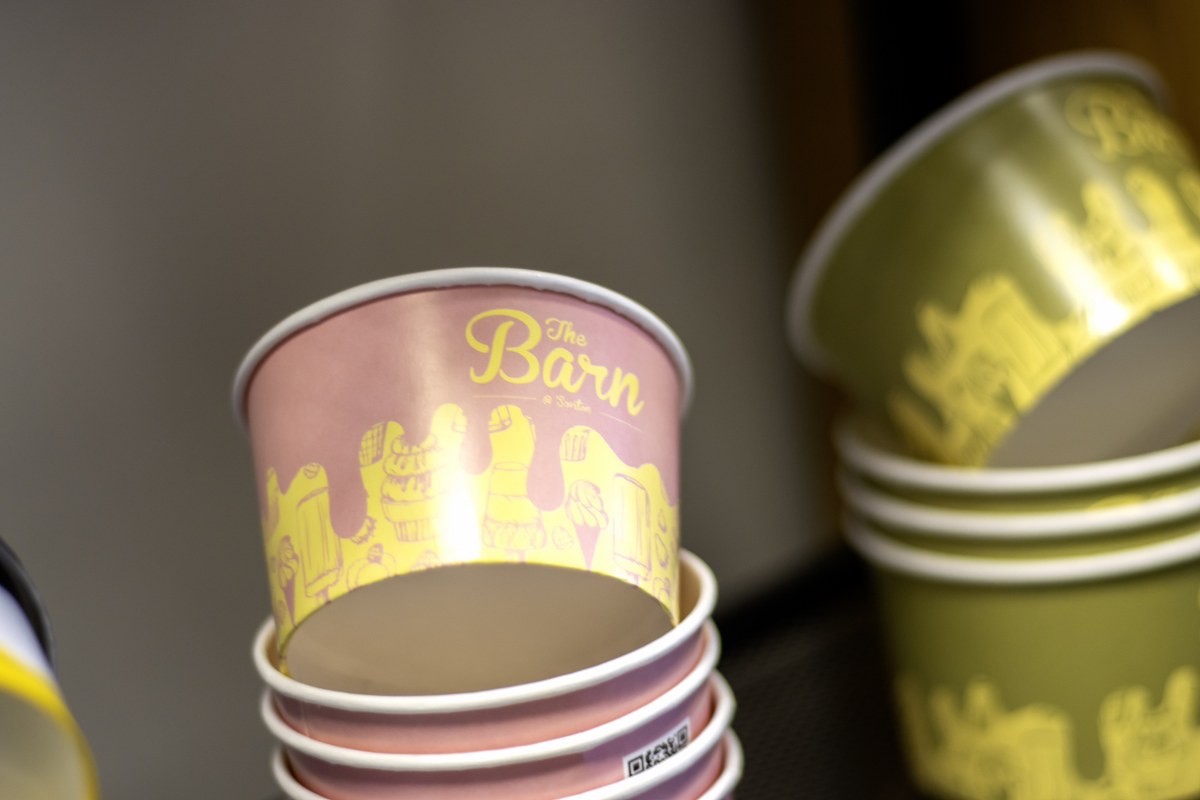
10 Interesting Facts About Paper Cup Manufacturing and Printing
- Invented for Hygiene
- Paper cups were invented in 1907 to combat the spread of diseases like tuberculosis by eliminating the need for shared drinking containers.
- The First Brand Name – Dixie Cups
- The first commercial paper cups were branded as Dixie Cups in 1919, named after a line of dolls, and became a household name.
- Billions Produced Annually
- Over 500 billion paper cups are manufactured globally each year to meet the demands of the food, beverage, and hospitality industries.
- Coatings for Waterproofing
- Early paper cups were coated with wax to make them waterproof. Modern cups now use polyethylene (PE) or plant-based coatings like polylactic acid (PLA) for better recyclability and biodegradability.
- Printing Technology Advances
- Modern paper cup printing uses flexographic and offset printing technologies that allow vibrant, high-quality designs and branding, enhancing marketing appeal.
- Customizable for Branding
- Paper cups are often used as advertising tools because they can be printed with company logos, slogans, and colorful graphics, turning them into mobile billboards.
- Eco-Friendly Alternatives on the Rise
- Many manufacturers now produce compostable and biodegradable paper cups with plant-based coatings, reducing reliance on plastics.
- Single vs. Double Wall Designs
- Paper cups are available in single-wall designs for cold drinks and double-wall versions for hot beverages, offering better insulation and heat protection.
- Special Printing Techniques
- Some paper cups use thermochromic ink, which changes color with temperature, providing an interactive and engaging experience for consumers.
- Recyclability Challenges and Solutions
- While traditional paper cups are difficult to recycle due to plastic linings, innovations like water-based coatings and fiber-based linings are improving recyclability, enabling circular economy practices.
Paper cups have evolved significantly since their invention, adapting to environmental needs and technological advancements. They remain a vital part of modern convenience culture while continuing to innovate toward sustainability.
